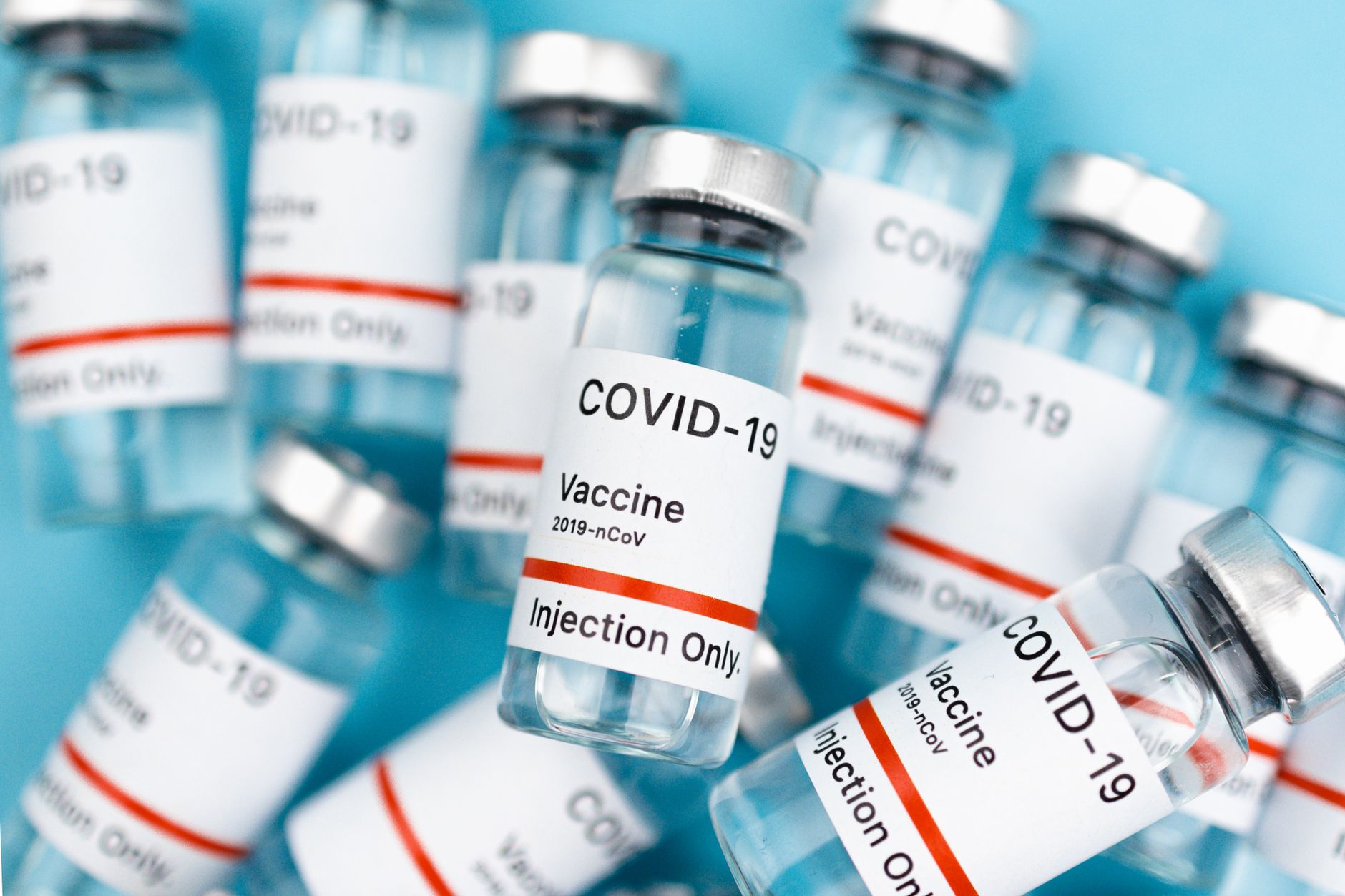
cancer drug prices are expected to decrease dramatically under new government regulations, potentially making treatment affordable for many.
Impact of Government Caps on Drug Prices
The recent proposal to implement government caps on drug prices could significantly impact the affordability of cancer treatments. Experts predict that cancer drug prices may fall by as much as 70 percent, providing much-needed relief to patients and their families.
Key considerations include:
- Accessibility: Lower prices could improve access for uninsured and underinsured patients, allowing more individuals to seek necessary treatments.
- Financial burden: Reduced prices may alleviate the financial strain often associated with cancer care, enabling patients to allocate resources to other essential needs.
- Research and development: There are concerns that capping prices could deter pharmaceutical companies from investing in new cancer drugs, potentially impacting future treatment options.
The balance between affordable cancer drug prices and continued innovation in treatment remains a critical discussion point among healthcare professionals and policymakers. As the government moves forward with this initiative, the implications for patients and the broader healthcare landscape will continue to unfold.
How Will Patients Benefit?
The recent discussions surrounding cancer drug prices have sparked hope among patients and advocates. With the potential for a significant reduction in costs, the benefits for patients could be profound.
Firstly, lower drug prices would enhance access to essential medications. Many patients currently face financial barriers that prevent them from receiving timely treatment. By making these drugs more affordable, individuals can initiate therapy sooner, improving their chances of successful outcomes.
Secondly, reduced costs may alleviate the financial burden on families. When drug prices decrease, patients are less likely to incur crippling debt, allowing them to focus on recovery rather than financial stress.
Additionally, a drop in cancer drug prices could lead to increased competition among pharmaceutical companies. This competition may drive innovation, resulting in the development of new and more effective treatments.
Ultimately, if the government caps on drug prices are implemented effectively, patients could experience not only improved access but also enhanced quality of life throughout their cancer journey.
Current Trends in Cancer Drug Pricing
Current trends in cancer drug pricing indicate a significant shift towards affordability, driven by recent government interventions and market dynamics. As the pharmaceutical industry adapts to new regulations, various strategies have emerged to influence pricing structures.
Several key factors are shaping the landscape of cancer drug prices:
- Increased Competition: With the introduction of generics and biosimilars, competition among manufacturers is intensifying, leading to lower prices for patients.
- Value-Based Pricing: Some drug companies are exploring value-based pricing models, which link drug costs to their effectiveness in treating specific cancers.
- Government Regulations: New caps on prices set by government bodies are creating a framework that encourages more transparent pricing and reduces out-of-pocket costs for patients.
- Patient Advocacy: Advocacy groups are pressuring companies to lower prices, emphasizing the need for equitable access to cancer treatments.
As these trends continue to evolve, cancer drug prices may become more manageable, ultimately benefiting patients seeking effective treatment options.
Understanding the New Regulations
The recent introduction of new regulations aims to reshape the landscape of cancer drug prices and make treatments more accessible. These measures focus on capping the costs of essential medications, ensuring that patients are not burdened by exorbitant expenses.
Key components of the regulations include:
- Price Caps: The government will enforce strict limits on the prices of certain high-demand cancer drugs, potentially reducing costs by up to 70 percent.
- Transparent Pricing: Pharmaceutical companies must disclose pricing strategies and justifications, allowing for greater scrutiny and accountability.
- Incentives for Innovation: While price controls are implemented, companies will also be encouraged to invest in research and development, ensuring a continuous pipeline of new treatments.
These regulations signal a significant shift in policy, aiming to balance profitability for drug manufacturers with the urgent need for affordable cancer care. As the changes take effect, many hope to witness a marked improvement in patient access to life-saving medications.
Photo by Towfiqu barbhuiya on Pexels