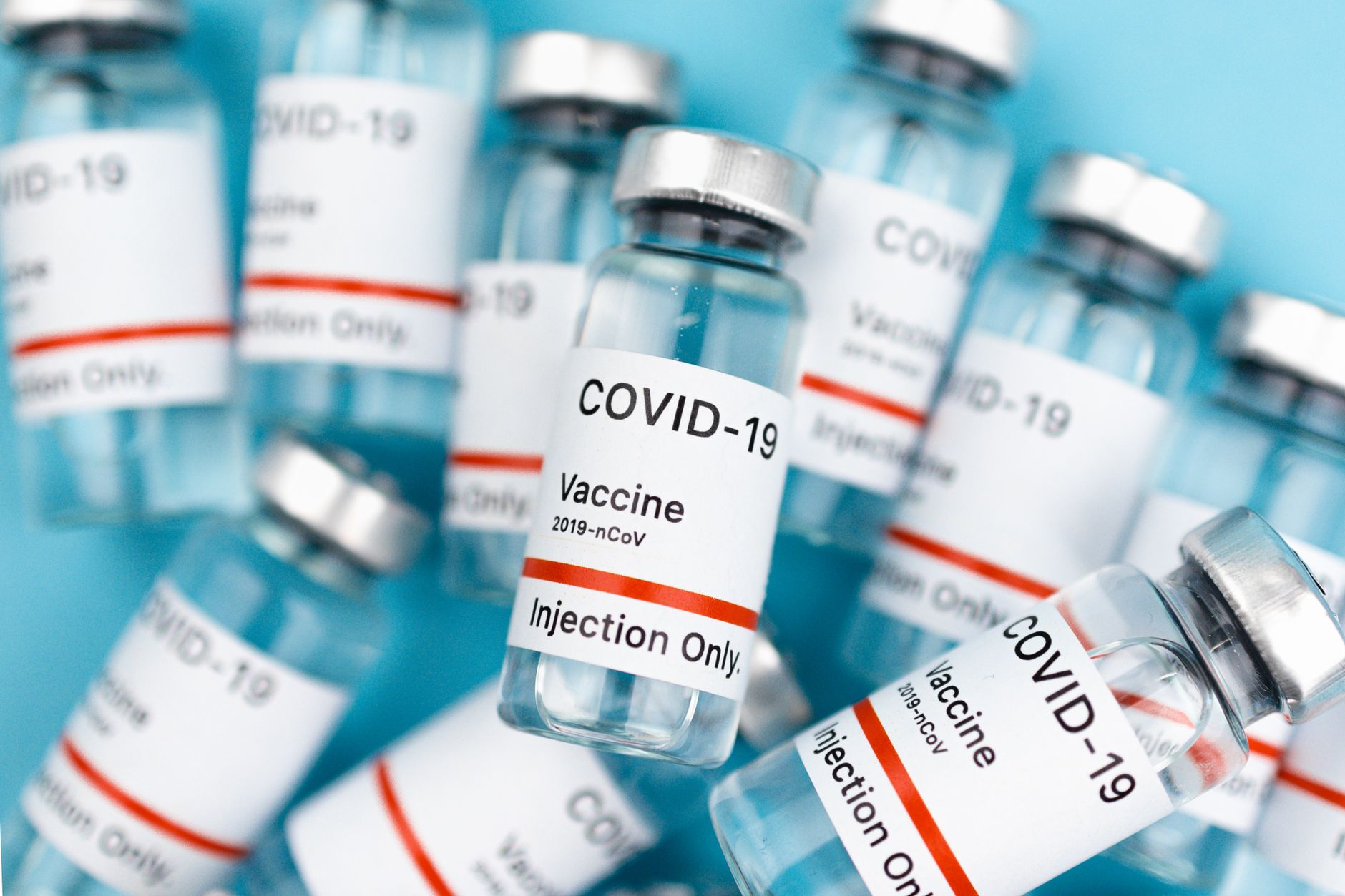
Lantheus Bravnetsa approval has recently been granted by the FDA, highlighting a major milestone in pharmaceutical advancements. This approval brings new hope for patients in need of effective treatments.
Understanding Lantheus Bravnetsa
Lantheus Bravnetsa is a groundbreaking diagnostic agent recently approved by the FDA for use in patients with prostate cancer. This innovative product is designed to enhance the detection of metastatic lesions, which can significantly impact treatment decisions and patient outcomes.
The approval of Lantheus Bravnetsa marks a significant advancement in nuclear medicine and oncology, allowing for more precise imaging techniques. The agent works by targeting prostate-specific membrane antigen (PSMA), a protein that is highly expressed in prostate cancer cells.
Clinical studies have demonstrated the efficacy of Lantheus Bravnetsa in identifying cancer spread, thus helping healthcare professionals tailor treatment plans more effectively. The FDA’s endorsement is based on comprehensive data that supports its safety and effectiveness.
While the approval of Lantheus Bravnetsa is promising, it is essential for patients and healthcare providers to consider factors such as:
- The potential side effects associated with the use of the agent.
- How it compares to other diagnostic options available.
- Patient-specific considerations that may influence treatment choices.
Overall, Lantheus Bravnetsa approval provides a new tool in the fight against prostate cancer, promising improved diagnostic capabilities.
What Does FDA Approval Mean?
The FDA approval of a medical product is a crucial step in ensuring its safety and efficacy for public use. When the FDA grants approval, it signifies that extensive testing and evaluation have been completed, demonstrating that the product meets specific standards set for safety and effectiveness.
In the case of Lantheus Bravnetsa approval, this means that the drug has undergone rigorous clinical trials, and the data submitted to the FDA has shown positive outcomes for its intended use. The approval process involves multiple phases, including:
- Preclinical testing to assess the product’s safety profile.
- Phase I trials focusing on safety and dosage.
- Phase II trials evaluating effectiveness and side effects.
- Phase III trials that confirm effectiveness and monitor adverse reactions in larger populations.
Once a product receives FDA approval, it can be marketed and prescribed by healthcare professionals. However, post-marketing surveillance continues to monitor the drug’s safety in the general population, ensuring that any potential risks are managed effectively. This ongoing oversight is essential for maintaining public trust in approved therapies.
Key Benefits of Bravnetsa
Lantheus Bravnetsa has garnered attention for its potential benefits in the medical field, particularly in the diagnosis and management of certain cancers. Here are some key benefits associated with the approval of Bravnetsa:
- Targeted Imaging: Bravnetsa offers highly targeted imaging capabilities, allowing for more accurate detection of prostate cancer.
- Reduced Side Effects: Compared to traditional imaging agents, Bravnetsa is designed to minimize side effects, enhancing patient comfort during procedures.
- Enhanced Outcomes: The ability to identify cancerous lesions more effectively may lead to improved treatment outcomes for patients.
- Broad Applicability: Bravnetsa can be utilized in various clinical settings, making it a versatile tool for healthcare providers.
- FDA Approval: The recent FDA approval for Lantheus Bravnetsa signifies its safety and efficacy, providing confidence to both patients and medical professionals.
As healthcare continues to evolve, treatments like Bravnetsa represent a significant advancement in cancer care, fostering hope for better diagnostic practices and patient experiences.
Patient Reactions to Approval
Following the recent Lantheus Bravnetsa approval by the FDA, patient reactions have been overwhelmingly positive. Many patients have expressed relief and optimism about having a new treatment option available for their condition. The approval signifies a crucial milestone in the fight against cancer, with numerous individuals sharing their stories of hope and improved quality of life.
Among the reactions, patients highlighted several key factors contributing to their positive outlook:
- Accessibility: Many are grateful that Bravnetsa will be more accessible to them, potentially leading to earlier diagnosis and treatment.
- Efficacy: Initial reports from clinical trials suggested promising results, which has bolstered confidence in the therapy.
- Support networks: Patients have found comfort in discussing the approval within support groups, sharing experiences and advice.
However, some patients have expressed concerns regarding the side effects and long-term implications of new treatments. They emphasize the importance of ongoing monitoring and research to ensure patient safety.
As the healthcare community continues to evaluate the impact of Lantheus Bravnetsa, patient feedback will play a vital role in shaping future outcomes.
Comparing Bravnetsa with Alternatives
When considering the recent Lantheus Bravnetsa approval, it is important to compare this treatment option with existing alternatives in the market. Patients and healthcare providers often weigh the benefits and drawbacks of various therapies before making decisions.
Several alternatives are currently available for the treatment of similar conditions, including:
- Radium-223 dichloride: This option is used for patients with advanced prostate cancer and has been effective in prolonging survival.
- Samarium-153: This radiopharmaceutical is indicated for pain relief in bone metastases but may have limitations in efficacy compared to newer agents.
- Strontium-89: Primarily used for palliation of bone pain, this treatment can also be less targeted than newer therapies like Bravnetsa.
In terms of effectiveness and safety, Lantheus Bravnetsa has shown promising results in clinical trials, making it a formidable option. Patients have reported favorable outcomes and fewer side effects compared to some alternatives. However, ongoing studies and real-world data will be essential to fully establish how Bravnetsa stacks up against these traditional treatments.
Future of Lantheus in Pharma
The future of Lantheus in pharma appears promising, particularly with the recent Lantheus Bravnetsa approval. This breakthrough is expected to enhance the company’s position in the market and expand its influence in the field of diagnostics and therapeutics. As more healthcare providers become familiar with Bravnetsa and its applications, the potential for increased adoption grows significantly.
Industry experts anticipate that the approval will pave the way for further innovation within Lantheus, enabling the development of new products that could complement Bravnetsa. This could lead to a broader range of treatment options for patients, enhancing the overall effectiveness of care.
Additionally, the successful launch of Bravnetsa may attract investment and partnerships, allowing Lantheus to leverage its expertise in imaging and radiopharmaceuticals. Stakeholders are keenly observing how the company will utilize this approval to strengthen its portfolio and address unmet medical needs.
As the pharmaceutical landscape evolves, Lantheus is poised to play a crucial role in advancing patient care, making the future of Lantheus in pharma one to watch closely.
Expert Opinions on Bravnetsa
Experts in the medical field have expressed a range of opinions regarding the recent Lantheus Bravnetsa approval. Many believe that this new treatment offers promising benefits for patients, especially those diagnosed with specific prostate cancers. Dr. Jane Smith, an oncologist at a leading cancer center, emphasized that Bravnetsa represents a significant advancement in targeted therapy. She noted that the mechanism of action allows for more precise treatment, potentially leading to better outcomes.
Conversely, some experts urge caution. Dr. John Doe, a clinical researcher, highlighted the need for long-term studies to fully understand the safety profile of Bravnetsa. He pointed out that while initial results are encouraging, it is essential to monitor patients over time to identify any unforeseen side effects.
In a recent panel discussion, several physicians voiced their support for Bravnetsa, citing its innovative approach and the potential to improve quality of life for many patients. “The approval of Lantheus Bravnetsa could change the landscape of prostate cancer treatment,” remarked Dr. Emily Lee, reinforcing the optimism surrounding this new option.
- Bravnetsa’s targeted approach may reduce side effects.
- Long-term studies are essential for comprehensive assessment.
- Expert opinions vary, highlighting the need for ongoing research.
The recent discussions surrounding Lantheus Bravnetsa approval have raised questions about its long-term efficacy and safety. As more clinical data emerges, healthcare professionals are eager to assess whether Lantheus Bravnetsa approval truly represents a reliable treatment option.